AfCFTA Secretary-General calls for stronger investment partnerships to drive Africa’s green industrialisation agenda
Date: 2026-05-11
By: Nana Appiah Acquaye
The
Secretary-General of the African Continental Free
Trade Area Secretariat, Wamkele Mene,
has called for stronger long-term investment partnerships to support Africa’s
industrial transformation and climate ambitions during the Africa–Europe
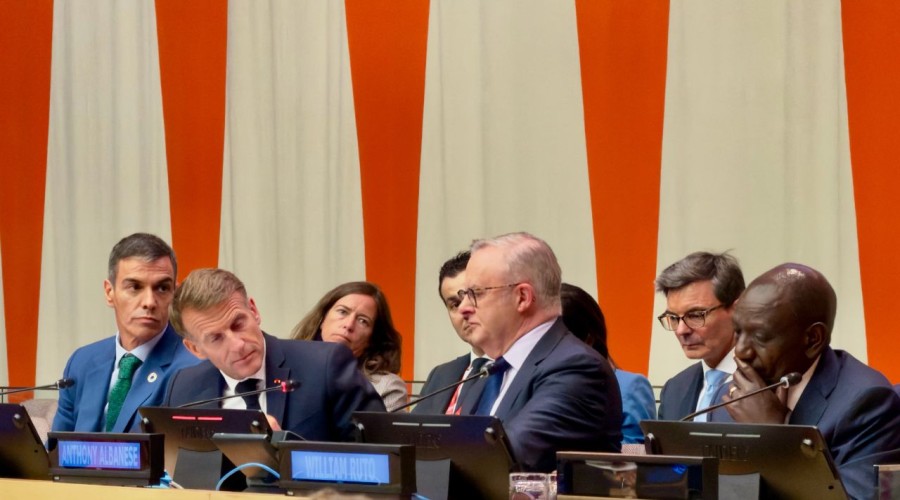
High-Level Dialogue on Green Industrialisation held at the Africa Forward
Summit in Nairobi.
The dialogue was convened by the Africa Europe Foundation, the Africa Green Industrialization Initiative and
the Institute for Sustainable Development and
International Relations.

Speaking during the discussions, Mene
highlighted the importance of the Nairobi Declaration on Climate Change as a
key continental framework for climate action and policy coordination. He noted
that although Africa contributes less than four percent of global greenhouse
gas emissions, the continent continues to experience disproportionate impacts
from climate change.
Mene also outlined progress under the
Africa Green Industrialization Initiative, particularly efforts focused on
advancing green trade, green industrialisation and the development of critical
minerals value chains. He said the broader ambition of the initiative is to
mobilise up to US$100 billion in investments to support sustainable industrial
growth across the continent.

The discussions further explored the
need to improve the bankability of projects and unlock financing for
large-scale infrastructure and industrial development. Mene called for stronger
complementarity between continental and global initiatives to increase
liquidity flows and attract long-term capital into Africa.
He also underscored the growing
importance of aligning the digital economy, climate action and
industrialisation as Africa positions itself within the emerging global green
economy.
On the
European Union’s Carbon Border Adjustment Mechanism (CBAM), Mene cautioned that
many African economies could face adverse effects if adequate support
mechanisms are not put in place. He stressed the importance of ensuring that
global climate and trade measures remain fair, inclusive and mutually
beneficial for developing economies.