By:
Nana Appiah Acquaye
Canada
and African climate stakeholders have reaffirmed their commitment to
strengthening adaptation finance partnerships during a high-level panel
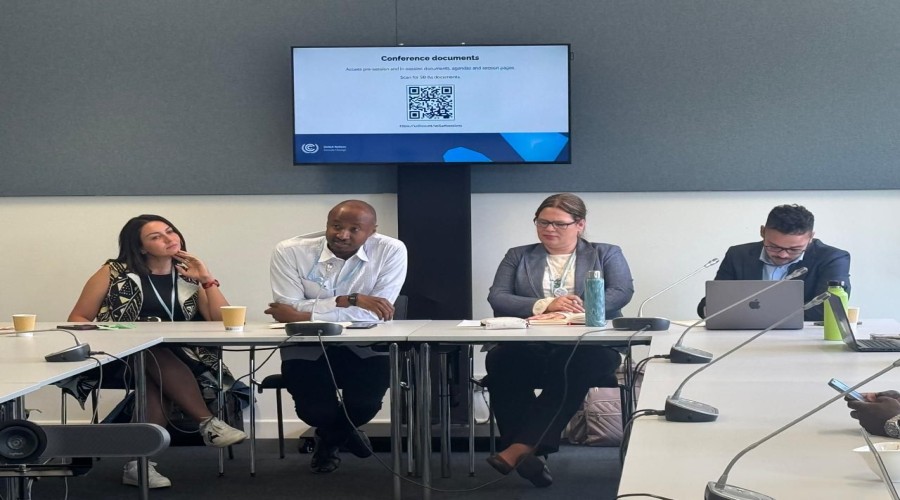
discussion organized by the Africa Adaptation Initiative (AAI) on the sidelines
of the 64th session of the United Nations Framework Convention on Climate
Change (UNFCCC) Subsidiary Bodies (SB64) in Bonn, Germany.
The
panel brought together key representatives from Africa and Canada to examine
innovative approaches to climate adaptation financing and explore ways to
ensure greater resources reach vulnerable communities across the continent.
Among
the speakers were Canada's Chief Negotiator, Jeanne-Marie Huddleston of
Environment and Climate Change Canada, AAI Coordinator and Green Climate Fund
Co-Chair Ambassador Seyni Nafo, Mariam Allam of Egypt, and climate policy
expert Eddy Pérez.
Addressing
participants during the session, Ambassador Nafo expressed appreciation to the
panelists and stakeholders who contributed to the discussions, emphasizing the
importance of building diversified and sustainable financing partnerships to
support Africa’s climate adaptation efforts.
“We
are grateful for this panel at the UNFCCC SB64 session showcasing how AAI is
building innovative partnerships in Africa,” Nafo said. “I want to thank
Canada’s Chief Negotiator Jeanne-Marie Huddleston from Environment and Climate
Change Canada, Mariam Allam from Egypt, Imen Meliane and Eddy Perez for making
this panel such a successful event. Thanks also to everyone who came to share
their views on the importance of diversifying adaptation finance partnerships.”
The
event also highlighted the contributions of organizations including the
Adaptation Fund, Climate Action Network Canada, and the Pan-African Climate
Justice Alliance (PACJA) in advancing climate resilience and adaptation
initiatives across Africa.
Discussions
focused on how governments, development institutions, civil society
organizations, and international partners can work together to expand access to
adaptation finance and accelerate the implementation of climate resilience
projects.
Participants
underscored the urgent need for increased and diversified funding mechanisms to
address the growing impacts of climate change on African communities,
particularly those most vulnerable to extreme weather events, food insecurity,
and environmental degradation.
The
panel further reflected on the growing collaboration between Canada and African
partners, noting that ongoing engagements in Bonn and recent meetings in Ottawa
demonstrate the potential of strengthened international partnerships to
mobilize climate finance and support adaptation priorities across the
continent.
The
UNFCCC SB64 session serves as a key platform for advancing negotiations and
technical discussions ahead of the next round of global climate talks, with
adaptation finance remaining a central issue for developing countries seeking
greater support in responding to climate challenges.