By:
Nana Appiah Acquaye
The
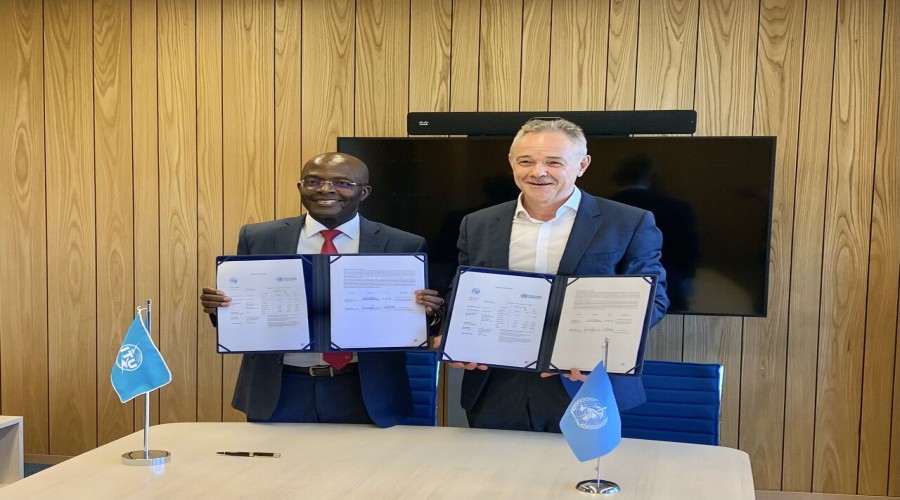
World Health Organization (WHO) and the International Telecommunication Union
(ITU) have signed an agreement to advance the use of artificial intelligence
(AI) in addressing noncommunicable diseases (NCDs) through the next phase of
the Be He@lthy, Be Mobile initiative.
The
joint initiative, known as BHBM 2.0,
aims to use AI-driven solutions to strengthen digital health services and
address gaps in the delivery of behavioural interventions for people affected
by or at risk of noncommunicable diseases.
The
initiative builds on the established Be
He@lthy, Be Mobile (BHBM) programme, which has focused on using
mobile technologies to support prevention and management of NCDs.
Under
BHBM 2.0, WHO and ITU will develop open-source, agentic AI infrastructure
designed to automate and enhance behaviour-change workflows, enabling more
efficient delivery of health guidance at scale.
The
initiative seeks to transform evidence-based recommendations from WHO into
digital service capabilities that can reach millions of people who face
barriers to accessing traditional healthcare services.
According
to project partners, artificial intelligence will support the design and
delivery of more personalized digital health interventions while helping health
systems expand their capacity to provide preventive care and behavioural
support.
The
collaboration reflects growing efforts by international health and technology
organizations to harness emerging technologies in addressing global health
challenges, particularly as countries continue to face rising burdens from
diseases such as diabetes, cardiovascular conditions, cancer and chronic
respiratory illnesses.
Through
BHBM 2.0, WHO and ITU aim to demonstrate how responsible AI adoption can
strengthen public health systems, improve access to healthcare information and
support individuals in making healthier lifestyle choices.