Nedbank chairperson’s dialogue calls for coordinated execution to unlock Africa’s development potential
Date: 2026-05-19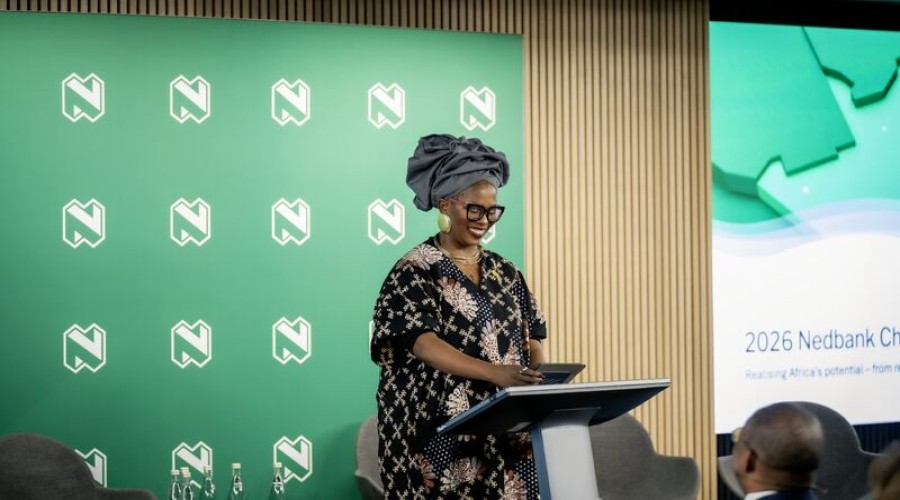
By: Nana Appiah Acquaye
Regional
business leaders, development partners, and policymakers have called for
stronger coordination and disciplined execution of continental development
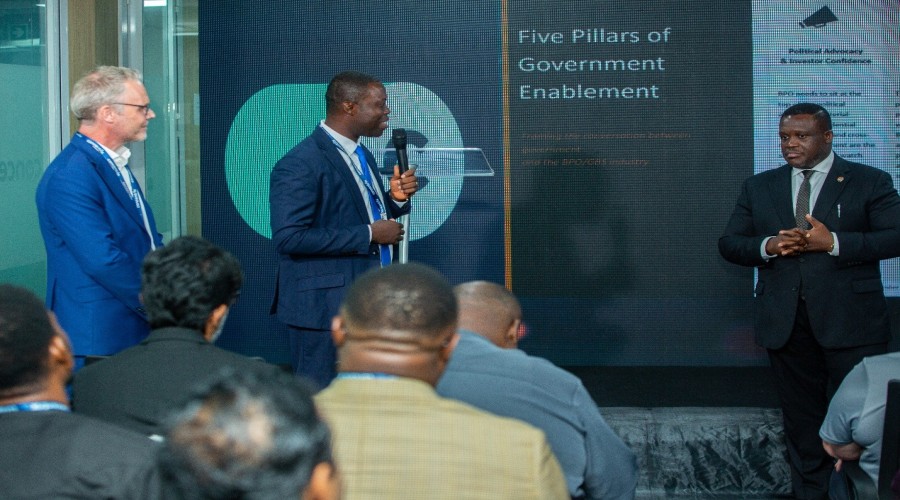
strategies at the Nedbank Group Chairperson’s Dialogue held in Sandton.
The
high-level engagement, convened by Nedbank Group, focused on advancing African
development through integrated systems transformation and enhanced
implementation of key economic priorities across the continent.
Delivering
the keynote address, H.E. Commissioner Lerato D. Mataboge emphasized that
Africa is entering a new phase focused on execution rather than planning, with
the African Union Commission prioritising coordinated transformation across
transport corridors, energy systems, and digital infrastructure.

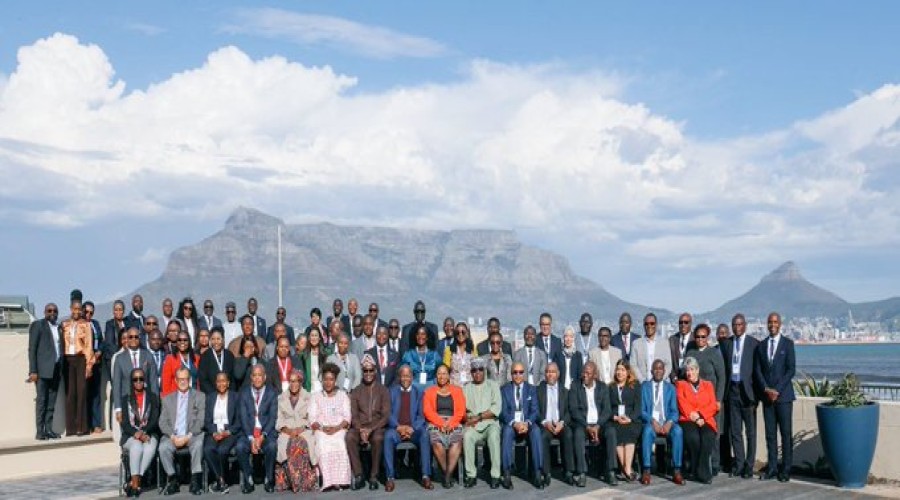
The
dialogue brought together senior representatives from financial institutions,
development finance organisations, academia, and the private sector, including
Nedbank Group Chairman Daniel Mminele, Chief Executive Jason Quinn, African
Development Bank representative Dr. Kennedy Mbekeani, Professor Vukosi Marivate
of the University of Pretoria, Cassava Technologies representative Finhai
Munzara, and Nedbank economist Liandra da Silva.
Discussions
centred on the need to address persistent infrastructure gaps across the
continent as a prerequisite for unlocking the full potential of the African
Continental Free Trade Area. Participants also highlighted the importance of
strengthening regional infrastructure connectivity and improving access to
financing for large-scale development projects.
The
panel further underscored the role of technological sovereignty and inclusive
artificial intelligence, noting that achieving these goals will require
accelerated investment in broadband infrastructure and scalable data centre
capacity across Africa.

Stakeholders
stressed that regulatory certainty and macroeconomic stability remain essential
to attracting long-term capital and sustaining development initiatives.
The
dialogue concluded with a consensus that future progress will depend on
deepened collaboration between governments and the private sector, moving
beyond transactional relationships toward structured partnerships that support
implementation, project delivery, and sustainable economic transformation
across the continent.