Stakeholders call for stronger ecosystem support to scale Youth-Led Enterprises in Ghana
Date: 2026-03-31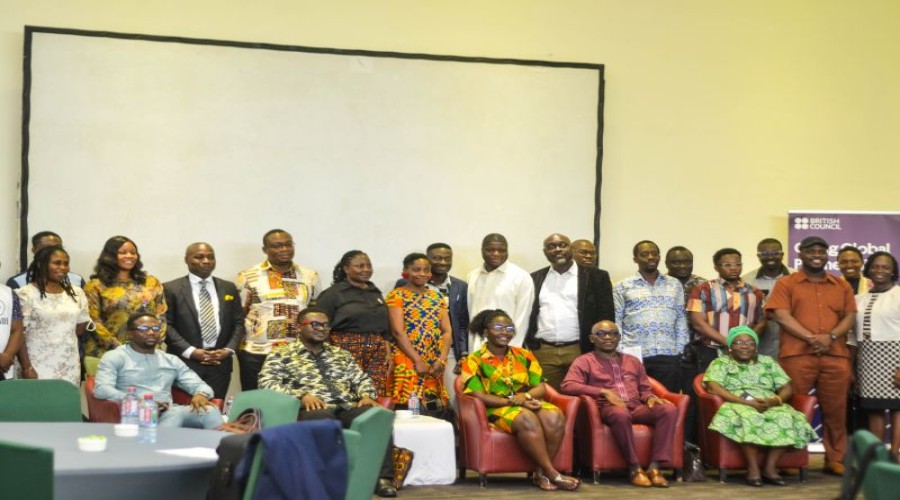
By: Robert Kwaku Annor
Stakeholders
in Ghana’s innovation and enterprise ecosystem have called for a more
coordinated and strategic approach to support youth-led businesses in
transitioning from incubation to sustainable growth.
The
call was made during a research dissemination and stakeholder dialogue convened
by the British Council under the Tracking Youth-Led Enterprises (TYLE)
initiative. The event brought together policymakers, researchers and innovation
actors to examine findings from a study focused on scaling youth-led
enterprises in Ghana.

Held under the theme “From Incubation to Scale: Strengthening Youth-Led Enterprise Growth in Ghana through Ecosystem and UK-Ghana Partnerships,” the dialogue explored pathways for strengthening enterprise development and addressing systemic challenges facing startups.
The
study, commissioned through the Innovation for African Universities programme,
analysed data from 47 youth-led enterprises supported under its interventions.
Findings highlighted persistent barriers beyond the incubation stage, including
limited access to finance, weak market linkages and broader ecosystem
constraints.
Presenting
the research findings, George Acheampong, Project Director of UGBS Nest,
underscored the structural challenges that continue to hinder the growth of
young businesses after initial support phases.
Speaking
at the event, Nii Doodo, Country Director of the British Council, stressed the
need for a shift in approach to supporting youth enterprises, warning that
maintaining the status quo would yield limited progress in outcomes. He noted
that the increasingly competitive business environment requires startups to
operate on equal footing with more established firms.

Also
addressing participants, Afia Yeboah Agyeman, Project Manager for Higher
Education at the British Council, emphasized the importance of cross-sector
collaboration. She noted that addressing the challenges facing youth-led
enterprises requires coordinated efforts among government, academia, the
private sector and development partners, alongside targeted interventions in
funding, training, mentorship and policy support.
Representatives
from DIPPER Lab, including Scientific Director Eric Tutu Tchao, Climate and
Ecosystem Monitoring Lead Enoch Bessah, Deputy Scientific Director Andrew
Selasi Agbemenu, and Child Health and Innovation Lead Prince Odame,
participated in the dialogue, contributing to discussions on strengthening
Ghana’s enterprise support ecosystem.