ECOWAS and African Union assess Benin’s electoral preparedness ahead of presidential poll
Date: 2026-04-11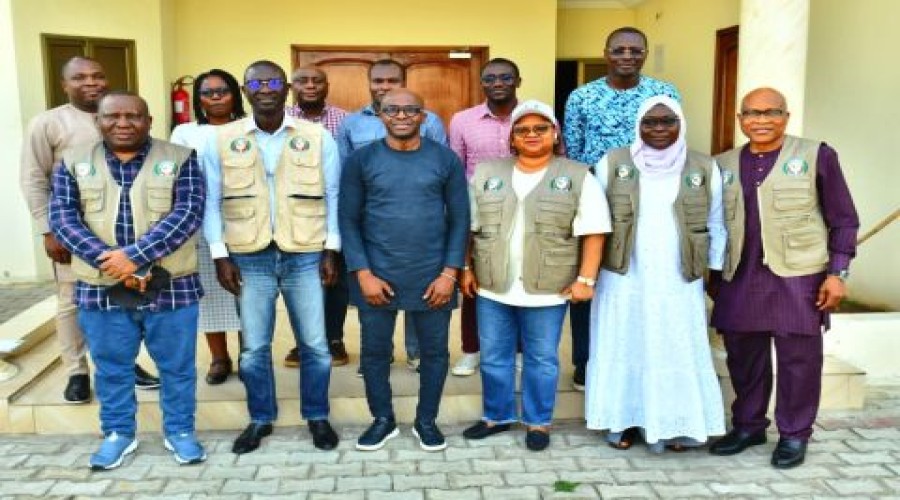
By: Nana Appiah Acquaye
The
Agence Nationale d’Identification des Personnes (ANIP) has hosted separate
delegations from ECOWAS and the African Union as part of assessments of Benin’s
preparedness for the April 12, 2026 presidential election, with a focus on the
production and management of the electoral roll.
The
visits took place in Agblangandan, where officials from both regional bodies
reviewed the operational systems deployed by ANIP, the institution mandated
under Benin’s Electoral Code to compile and manage the national electoral list.

An
ECOWAS delegation comprising experts from Senegal, Nigeria and Guinea visited
on April 6, engaging ANIP officials on the structure and implementation of the
country’s electoral data systems. This was followed by a mission from the
African Union on April 10, led by former Burundian President Sylvestre
Ntibantunganya, which conducted a working visit to further examine the
framework.
During
the engagements, ANIP’s Director General outlined the integrated model
underpinning Benin’s electoral system, which links the population register,
civil registry and electoral database. He highlighted the continuous updating
of records through interconnected administrative systems, alongside the use of
advanced technologies to enhance data accuracy and prevent fraud.
The
agency also detailed measures aimed at ensuring transparency and inclusiveness,
including digital platforms and USSD services that allow citizens to verify
polling information, mass SMS notifications, and the deployment of registration
units nationwide and abroad to improve access to identification services.

Discussions
further addressed technical processes, data security protocols and challenges
related to maintaining data quality. According to ANIP, the exchanges
contributed to deepening understanding of Benin’s approach to electoral
management.
At
the conclusion of the visits, representatives from both ECOWAS and the African
Union expressed satisfaction with the level of preparedness, citing the
robustness of the system and the progress made in strengthening the credibility
of the electoral process.