By:
Robert Kwaku Annor
As governments,
telecommunications operators, and technology companies accelerate investments
in connectivity infrastructure, a quiet but consequential race is unfolding
across West Africa. From expanding fibre networks and rolling out 4G and 5G
services to constructing data centres and strengthening cross-border digital
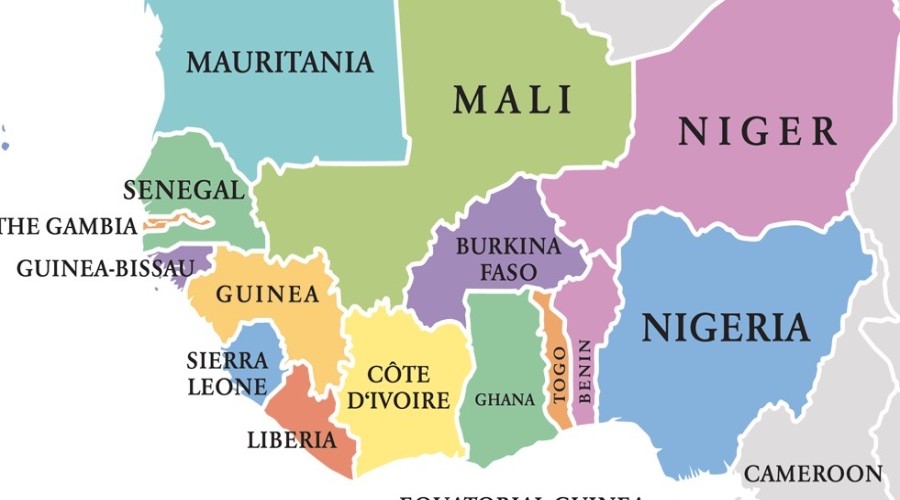
links, countries such as Ghana, Nigeria, and Côte d'Ivoire are positioning
themselves to become regional digital hubs.
While much attention is
often focused on consumer-facing technologies and startup ecosystems, industry
observers argue that the real foundation of Africa's digital transformation
lies beneath the surface—in the networks, towers, cables, and data infrastructure
that enable modern digital economies to function.
Across the region, demand
for reliable internet connectivity continues to grow as governments digitise
public services, businesses embrace cloud computing, and financial institutions
expand digital payment platforms. This growing demand has intensified competition
among countries seeking to attract investment and establish themselves as
strategic gateways for digital services.
Nigeria, home to Africa's
largest population and one of its biggest technology markets, has continued to
invest heavily in telecommunications infrastructure. The country has pursued
ambitious broadband expansion targets aimed at increasing internet penetration
and supporting the growth of its digital economy. Major operators and
infrastructure providers have expanded fibre deployments across urban centres
while increasing connectivity to underserved communities.
The country's scale gives it
a natural advantage. Its large consumer market, growing startup ecosystem, and
increasing data consumption have created strong incentives for both local and
international investors. However, challenges remain, including infrastructure
costs, regulatory complexity, and persistent connectivity gaps in rural areas.
Ghana, meanwhile, has carved
out a reputation as one of Africa's most digitally progressive economies.
Successive investments in digital public infrastructure, mobile money
interoperability, and e-government platforms have strengthened the country's
standing within the region. Telecommunications operators continue to modernise
their networks while government-led initiatives seek to improve broadband
accessibility and digital inclusion.
Industry analysts note that
Ghana's competitive advantage may not necessarily be scale but efficiency. The
country's relatively stable regulatory environment, growing digital services
sector, and strategic location have made it an attractive destination for
technology investments and regional operations.
Côte d'Ivoire is also
emerging as a significant player in West Africa's digital infrastructure
landscape. With strong economic growth and increasing investment in ICT
infrastructure, the country has expanded connectivity networks while pursuing
policies aimed at accelerating digital transformation. Abidjan's growing role
as a commercial and financial centre has further strengthened its appeal as a
regional technology hub.
Beyond individual country
strategies, a broader regional shift is underway. Submarine cable projects,
terrestrial fibre corridors, and data centre investments are creating new
opportunities for cross-border connectivity and digital trade. These developments
are expected to play a critical role in supporting the objectives of the
African Continental Free Trade Area (AfCFTA), which seeks to enhance economic
integration across the continent.
Data centres have become
another key battleground in the infrastructure race. As organisations
increasingly migrate services to the cloud and governments place greater
emphasis on data sovereignty, countries that can provide reliable power,
connectivity, and regulatory certainty are attracting growing interest from
investors. The presence of local data centres can reduce latency, improve
service reliability, and support the development of digital industries.
At the same time, the
rollout of next-generation technologies such as 5G is beginning to reshape
competitive dynamics. Although deployment remains uneven across the region,
governments and operators view advanced mobile networks as essential for
supporting emerging technologies, including artificial intelligence, smart
cities, industrial automation, and the Internet of Things.
Yet infrastructure expansion
alone will not guarantee success. Experts argue that digital transformation
requires a coordinated approach that combines connectivity investments with
digital skills development, supportive regulation, cybersecurity readiness, and
innovation-friendly policies.
As investment continues to
flow into the region's digital infrastructure ecosystem, the outcome of this
race may help define West Africa's position within the global digital economy
for decades to come.