By: Nana
Appiah Acquaye
Zimbabwe has used the 81st
United Nations General Assembly (UNGA81) to outline its efforts to expand
digital inclusion, improve connectivity and deploy artificial intelligence as
part of the country’s broader digital transformation agenda.
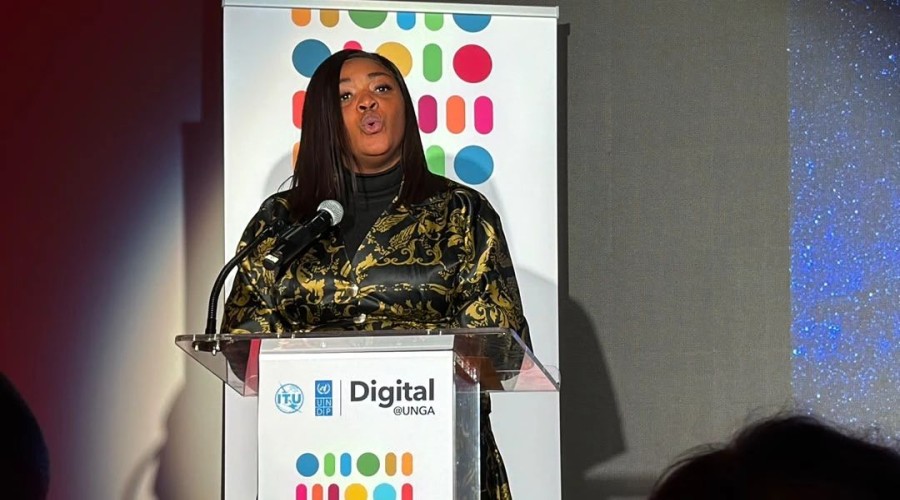
Minister of ICT, Postal and
Courier Services, Tatenda Mavetera, presented Zimbabwe’s digital inclusion
initiatives during the Digital UNGA, highlighting measures aimed at reducing
the rural-urban digital divide, expanding broadband access and lowering barriers
to digital literacy.
The initiatives are being
implemented under Zimbabwe’s National Development Strategy 2 (NDS2) and Vision
2030, with a focus on extending digital services and skills to underserved
communities.
Mavetera said more than
10,000 remote sites have been connected, while the country has expanded its
national fibre network to more than 17,000 kilometres.
Zimbabwe has also licensed
satellite providers, including Starlink, to extend connectivity to isolated
schools, clinics and underserved communities.
Under the Presidential
Internet Scheme, free Wi-Fi has been rolled out at rural business hubs, while
Community Information Centres have been modernised into Digital Centres to
provide communities with improved access to digital services and resources.
The government is also
implementing digital skills programmes targeting 1.5 million citizens through
Digital Ambassadors and self-learning portals, with particular attention to
women, young people and persons with disabilities.
Mavetera also highlighted
Zimbabwe’s National AI Strategy 2026–2030, which is intended to support the
human-centric application of artificial intelligence across sectors including
agriculture and health.
Earlier during UNGA81, the
minister participated in a Nigeria Digital Economy session hosted by Nigeria’s
Minister of Communications, Innovation and Digital Economy, Dr Bosun Tijani,
where she discussed Zimbabwe’s AI implementation roadmap.
Mavetera also participated
in the Digital UNGA Awards presentations, which recognised individuals and
organisations working to extend digital access and inclusion to underserved
populations.
The engagements provided
Zimbabwe with a platform to outline its approach to ensuring that digital
transformation extends beyond infrastructure and connectivity to include
digital skills, accessible services and emerging technologies.
Mavetera said the country’s
digital agenda is ultimately focused on ensuring that people are not excluded
from the opportunities created by technological development, stressing the
message: “The future is not digital unless it is DigitALL. Leave no one offline.”