By: Kanto
Kai Okanta
The Science for Africa
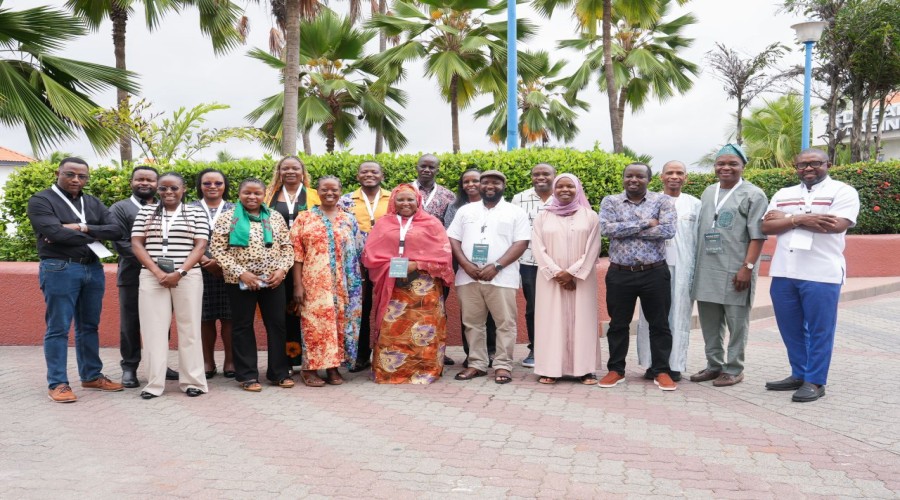
Foundation has concluded the two-year POSSIBLE Africa programme with a
close-out meeting in Accra, Ghana, bringing together 12 supported Social
Sciences and Humanities (SSH) researchers to reflect on their research
journeys, achievements and lessons from the programme.
Each of the 12 postdoctoral
fellows received US$65,000 in 2023 to advance research addressing complex
challenges across the African continent.
Through their work, the
fellows engaged communities, built collaborations across Africa, explored new
approaches to communicating research and supported the next generation of
researchers.
In Uganda, fellows applied
market analysis to food-security research, drawing on insights from communities
and food markets to strengthen engagement and ensure research on nutrition
deficiencies and food shortages was grounded in the realities of the people and
communities it seeks to serve.
In northern Nigeria,
researchers worked with marginalised women’s groups, creating space for voices
and experiences that can often be overlooked in research and decision-making
processes.
In Tanzania, researchers
explored Bongo Flava music as an alternative approach to communicating
ecosystem research results, demonstrating how culture and creative methods can
create new pathways for research to reach and resonate with different audiences.
Across the network, the
fellows also established collaborations with researchers from different parts
of the continent while mentoring early-career researchers and extending
knowledge and support beyond their individual research careers.
The Science for Africa
Foundation said the experiences demonstrate the role Social Sciences and
Humanities can play in strengthening research ecosystems by bringing
perspectives that connect research with the social, cultural, economic and
institutional contexts in which evidence is produced and used.
The work can influence not
only what researchers study, but also how they engage communities, communicate
knowledge, build partnerships and create pathways for research uptake.
The programme also
highlighted the importance of sustained engagement between researchers and
policymakers. Stronger relationships between researchers and decision-makers
can help create clearer pathways for relevant evidence to inform policy and
practice.