By: Nana
Appiah Acquaye
Four Sierra Leonean teams
have met all nine Digital Public Goods (DPG) criteria and submitted their
solutions to the global registry, marking a significant step in the country’s
open source and digital transformation journey.
The development was
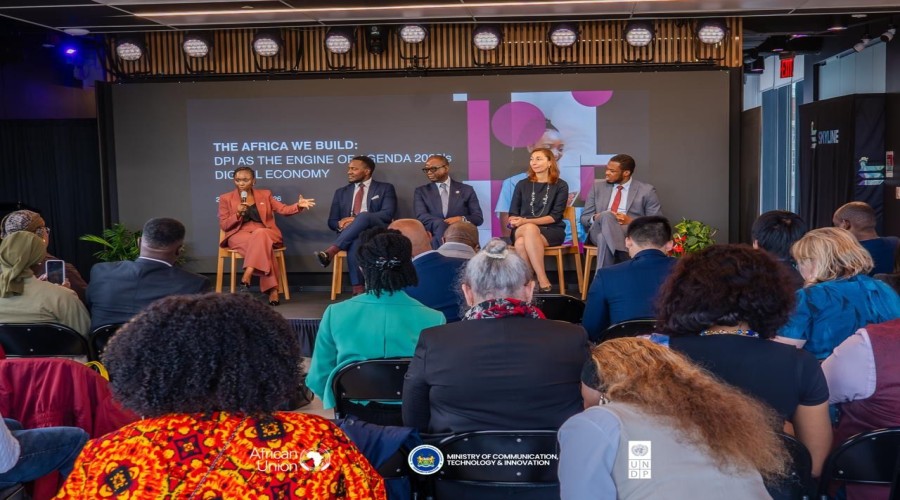
announced during “DPGs to Digital Transformation: Sierra Leone’s Open Source
Journey,” a UNICEF showcase event held on the sidelines of the 81st United
Nations General Assembly (UNGA81).
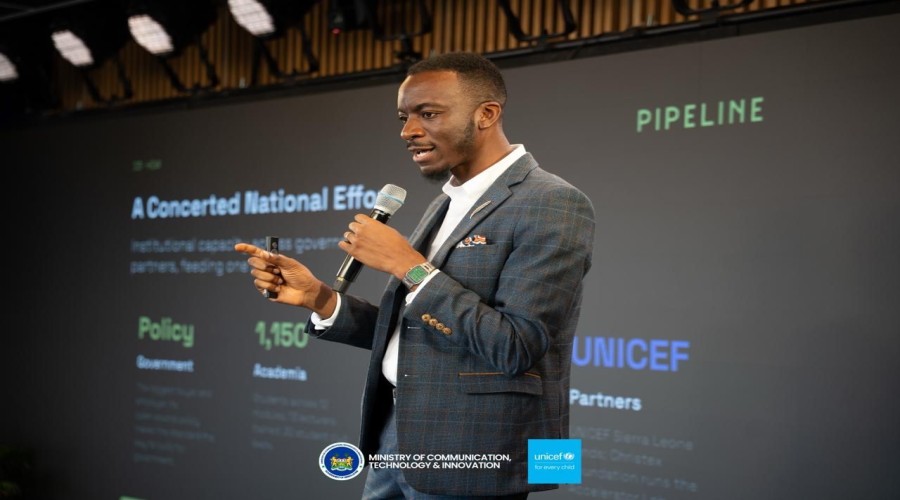
David Ogoo, Founder of
Christex Foundation, presented Sierra Leone’s DPG journey during the event,
emphasising that the initiative is not simply about developing software but
about using technology to influence the country’s economic landscape.
He said Sierra Leone has
significant technical talent, although many developers are self-taught, which
can result in gaps in some of the principles required to develop high-quality
and secure digital products.
According to Ogoo, the DPG
framework provides developers with a standard to build against, helping improve
software quality and security.
His team developed the
Pipeline, an AI-assisted platform that assesses digital products against the
nine DPG criteria and identifies areas that need to be addressed before
submission.
The platform was trained on
the DPG criteria and the expertise of UNICEF’s Office of Innovation,
translating the assessment approach used by experienced judges into a tool that
developers can use directly.
Following a six- to
seven-month period to prepare solutions for submission to the DPG registry,
four teams have now fulfilled all nine criteria and submitted their products.
Three additional teams have reached six or seven of the nine criteria.
The Pipeline is also
designed to guide developers who may not initially be familiar with DPG
principles, helping them understand the requirements and develop products that
meet the established standards.
Ogoo, however, stressed that
technical training must be accompanied by demand for the solutions being
developed. He said training developers without opportunities to apply their skills would limit the initiative's impact.
The Open Source First Policy
is therefore viewed as an important part of creating demand for the skills
being developed, while questions remain around the long-term maintenance of
digital tools after their initial launch.
According to Ogoo,
sustainable DPG development requires local developers who remain engaged with
the code and continue maintaining and improving the digital solutions beyond
their launch.