By: Nana
Appiah Acquaye
About 600 million people
across Africa still lack access to electricity, highlighting the scale of
investment and infrastructure required to close the continent’s energy gap by
2030, according to the Global Africa Business Initiative.
Africa needs an estimated
$64 billion in annual investment and about 26 gigawatts of additional power
generation capacity each year to meet its electricity needs by 2030. Current
progress, however, stands at approximately 7 to 8 gigawatts of new capacity
annually.
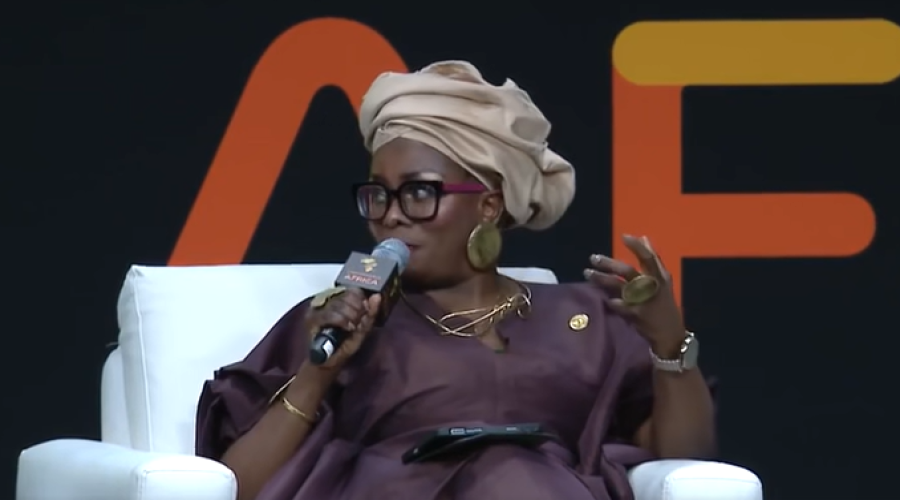
Lerato Dorothy Mataboge,
Commissioner for Infrastructure and Energy at the African Union Commission,
pointed to the Africa Single Electricity Market (AFSEM) and a continental
energy master plan as key frameworks for addressing the gap.
The frameworks are intended
to support more coordinated approaches to energy planning, financing, power
production, transmission and electricity trade across African countries.
AFSEM is designed to
strengthen cross-border electricity markets and enable countries to share
available generation capacity, potentially allowing power to move more
efficiently between areas with surplus electricity and those experiencing
shortages.
The continental energy
master plan is expected to complement this approach by supporting coordinated
development of Africa’s energy infrastructure and investment priorities.
The scale of the electricity
deficit underscores the need for increased generation capacity alongside stronger
transmission networks and regional interconnections.
For the AU, closer
coordination of energy development and greater integration of national and
regional power systems are central to expanding electricity access and
supporting Africa’s broader economic and industrial development agenda.