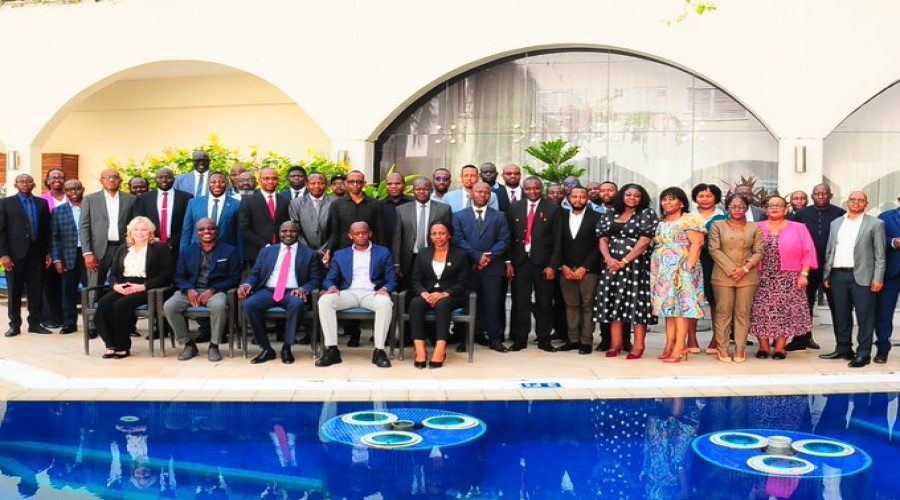
ESA hosts regional space agencies for first joint meeting
Date: 2026-05-25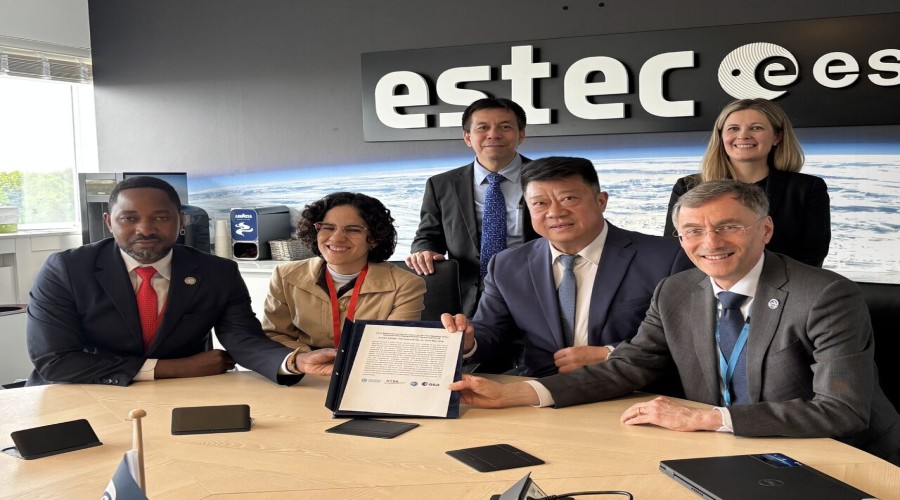
By: Nana Appiah Acquaye
The European Space Agency
has hosted representatives from the African Space Agency, the Latin American
and Caribbean Space Agency and the Asia-Pacific Space Cooperation Organization
for the first-ever joint meeting of the four regional intergovernmental space
organisations.
The two-day workshop, held at
ESA’s ESTEC facility in Noordwijk, the Netherlands, brought together officials
to discuss the growing importance of regional cooperation in advancing global
space development and delivering the benefits of space technologies to member
countries.

The meeting built on
discussions initiated during ESA’s 50th anniversary celebrations last year and
provided an opportunity for participants to reflect on the evolution of APSCO,
AfSA and ALCE over the past two decades. Delegates exchanged perspectives on
the role of regional intergovernmental space organisations and shared
experiences on strengthening collaboration across more than one hundred
countries collectively represented by the four agencies.
ESA Director of Strategy,
Legal and External Matters, Eric Morel de Westgaver, together with ESA Director
of Technology, Engineering and Quality, Dietmar Pilz, welcomed the participants
to ESTEC.
In a joint statement issued
after the meeting, the organisations described the discussions as open and
informative, stressing the significant and largely untapped potential of
institutionalised regional space cooperation. Participants also expressed broad
support for maintaining regular dialogue among the four organisations.

The programme included
working sessions focused on future cooperation and a guided tour of ESA’s ESTEC
facilities, one of Europe’s main centres for space research and technology
development.
The organisations are
expected to hold a joint plenary meeting during the International Astronautical
Congress 2026 later this year. Discussions also touched on preparations for
UNISPACE IV and possible areas of collaboration in support of the global space
agenda.